Emily Hand Embroidery Font: A Designer's Practical Guide
Finding a typeface that bridges the gap between digital precision and artisanal warmth is a rare win. The Emily Hand Embroidery Font is exactly that—a premium font asset that captures the authentic irregularities of hand-stitched lettering. If you are a designer or crafter looking to inject personality into your work without sacrificing legibility, this script font deserves a spot in your toolkit. It isn’t just about decoration; it’s about bringing a tactile, human element to modern typography. Whether you are working on branding materials or physical products, understanding the nuances of this typeface can significantly elevate your output.
Visual Style and Aesthetic Appeal
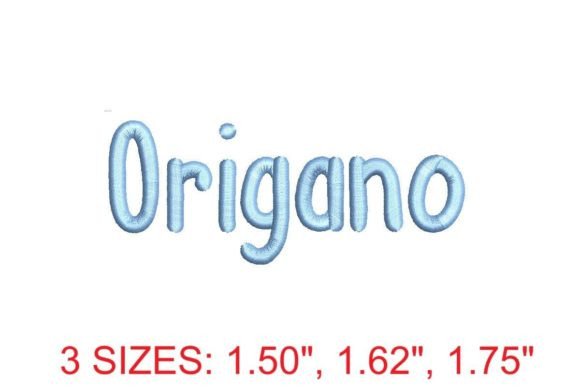
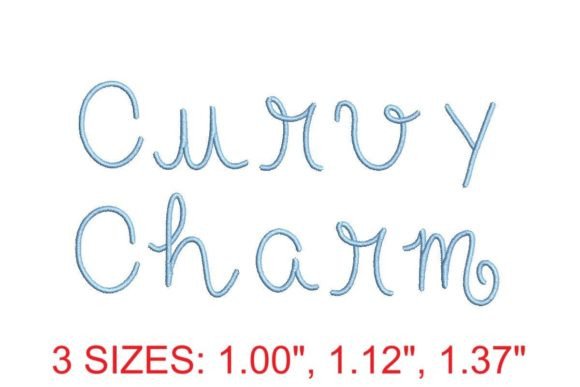
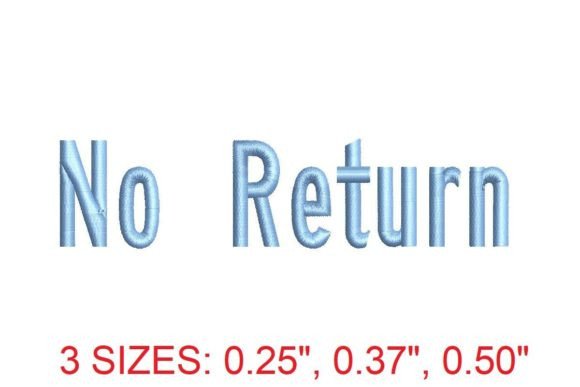
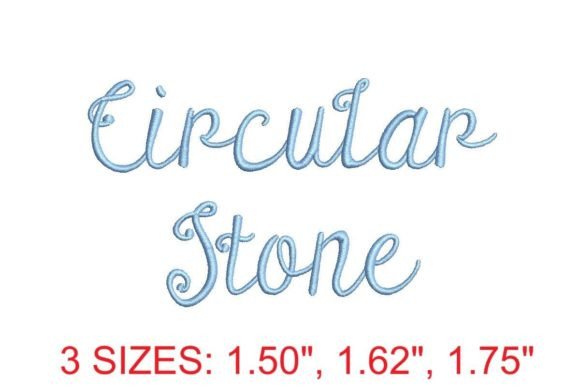
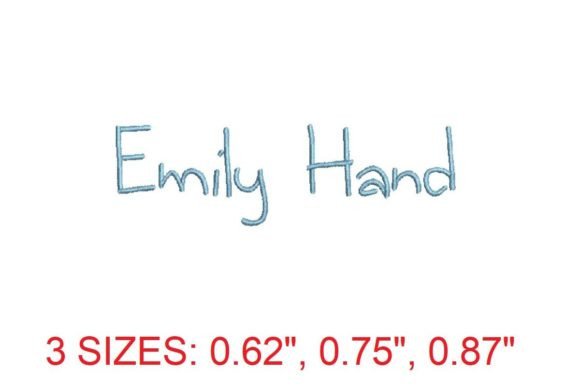
At first glance, the Emily Hand Embroidery Font distinguishes itself through its organic rhythm. Unlike rigid sans serif fonts or predictable serif fonts, this typeface mimics the slight imperfections of a steady hand guiding a needle. It features a flowing, connected baseline that feels natural and spontaneous. The letterforms are designed to look like thread—soft, textured, and continuous—making it a perfect fit for projects that require a "human touch."
This is not a chaotic handwritten font. It maintains a high level of readability, balancing artistic flair with functional design. The visual weight is consistent, ensuring that whether you are stitching a single monogram or a full phrase, the text remains cohesive. It works exceptionally well as a display font, drawing the eye in headers or logos where you want to convey warmth, sincerity, or a vintage aesthetic.
Real-World Applications and Versatility
The true value of the Emily Hand Embroidery Font lies in its versatility across different media. While it is optimized for machine embroidery—specifically the PES file format used by popular machines like Brother and Babylock—its utility extends far beyond the hoop.
Physical Products and Crafting
For those in the crafting community, this font is a game-changer. It translates beautifully onto fabric, making it ideal for:
- Monogramming: Creating bespoke linens, tote bags, or apparel.
- Personalized Gifts: Adding names or dates to baby blankets, wedding handkerchiefs, or holiday stockings.
- Patch Creation: Designing scout badges, fashion patches, or brand labels.
The stitch quality is meticulously mapped to prevent thread breaks or density issues, ensuring a professional finish every time.
Digital Design and Branding
Don't limit this creative font to physical threads. In the digital space, Emily Hand Embroidery Font serves as a powerful tool for brand identity. If you are building a brand that values authenticity—think artisanal bakeries, boutique fashion labels, or lifestyle blogs—this typeface communicates your values instantly.
Use it for packaging design to make your products feel handmade. Incorporate it into social media graphics to break the monotony of standard corporate fonts. It also works wonders in editorial design, particularly for pull quotes or section headers in magazines and blogs that aim for a friendly, conversational tone.
Strategic Typography and Pairing
Using a script font effectively requires strategy. You cannot simply swap out a standard sans serif for the Emily Hand Embroidery Font and expect the same hierarchy. Because it is a display font with high personality, it demands careful pairing.
Achieving Visual Hierarchy
To avoid visual clutter, limit the use of Emily Hand to headlines, logos, or call-to-action text. Its strength lies in impact, not long-form reading. For body copy, pair it with a clean, neutral sans serif font. The contrast between the organic, stitched look of Emily and the geometric precision of a sans serif creates a balanced, modern typography layout that guides the reader’s eye naturally.
Readability and Sizing
When evaluating the Emily Hand Embroidery Font, pay attention to the x-height and the connectivity of the letters. Because it mimics embroidery, the kerning (spacing between letters) is optimized to simulate a continuous thread. However, at very small sizes on low-resolution screens, the fine details might get lost. Always test the font at the size you intend to use it. For embroidery, ensure the physical height of the letters is sufficient for the fabric weave—smaller text on coarse fabric can become illegible.
Technical Compatibility and Licensing
From a practical standpoint, the Emily Hand Embroidery Font is designed for seamless integration into your workflow. The inclusion of PES files means you can load it directly into most home and commercial embroidery machines without complex conversion software.
However, as a creative professional or small business owner, you must consider the licensing. If you plan to use this font to create physical products for sale, ensure you have the appropriate commercial license. Most premium font downloads come with a standard license for personal use and an extended license for commercial production. Check the specifics included in your download package to protect your business legally.
Evaluating the Font Package
When you download the set, you will find a comprehensive character map. The summary information provided for letters like "A" and "a" gives you a snapshot of the stitch density and dimensions. This is crucial for estimating production time and thread consumption. For a full breakdown of all 156 characters and punctuation marks, reviewing the detailed PDF documentation is recommended. This allows you to plan complex layouts and understand exactly how the Emily Hand Embroidery Font will behave in different combinations.
Final Thoughts on Implementation
Ultimately, the Emily Hand Embroidery Font is more than just a set of letters; it is a design asset that bridges the digital and physical worlds. It allows designers to mock up realistic embroidery concepts and crafters to produce professional-grade monograms with ease. By leveraging its unique aesthetic and ensuring proper technical implementation, you can use this font to create memorable, high-quality projects that resonate with your audience.