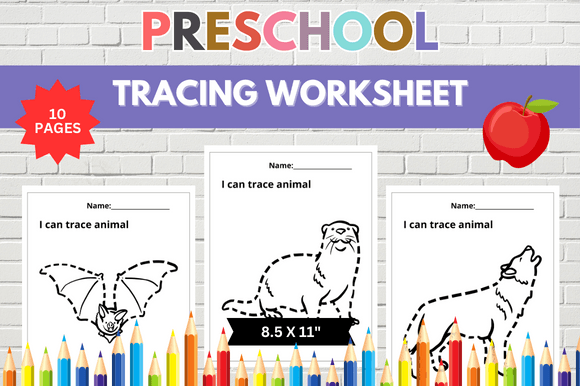
Animal Tracing Worksheets: A Creative Design Asset for Education
Beyond Standard Typefaces: Understanding the Educational Design
As a creative professional, I’m always looking for assets that solve specific problems efficiently. In the realm of educational publishing and early childhood marketing, the challenge is rarely about finding a "cool" font, but rather finding tools that facilitate learning while maintaining a professional aesthetic. This is where the 10 Tracing Animal Worksheet bundle enters the conversation. While technically a printable resource, we should view it through the lens of graphic design and brand identity.
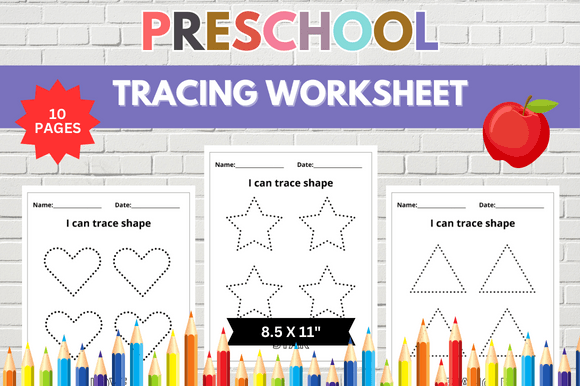
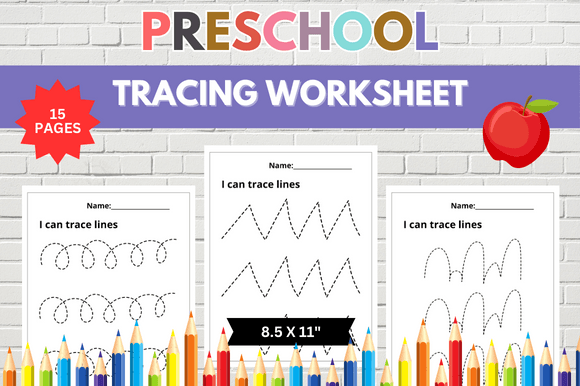
At its core, this 15-page PDF collection is an exercise in functional minimalism. The visual style relies heavily on clean, vector-based illustration combined with a specific typographic approach: the dotted line. For designers, this represents a shift from standard serif font or sans serif font usage to a specialized trace format. The aesthetic is friendly and approachable, utilizing simple outlines that guide the hand without distracting the eye. The "personality" of these sheets is instructional yet playful—a balance that is difficult to strike in preschool education materials.
Visual Hierarchy and Readability in Practice
When we talk about readability in modern typography, we usually refer to kerning and tracking on a screen. However, in the context of the 10 Tracing Animal Worksheet, readability refers to the legibility of the guideline for a developing motor skill. The design uses a dash structure that acts as a skeleton for the letterform. This is crucial for Kindergarten and Pre-K settings where the goal is to build skill through repetition.
From a design perspective, the layout of these pages utilizes negative space effectively. The line work is distinct, ensuring that the child’s writing instrument stays on track. This is a practical application of visual hierarchy; the illustration of the animal (for example, a cat or a dog) serves as an anchor, while the text provides the action. For content creators and publishers in the education sector, this demonstrates how design assets can influence user engagement. A cluttered worksheet discourages practice, whereas a clean, well-spaced sheet invites interaction.
Strategic Applications for Professionals
If you are a small business owner or marketer targeting the parenting or education niche, these worksheets offer more than just a homework solution. They serve as a foundational element for brand identity. Imagine a daycare center or a private tutor using these specific templates to create a cohesive interior environment. Consistency in educational materials builds trust with parents.
Here are practical ways to leverage this asset:
- Digital Content & Social Media: Use individual pages as social media graphics. They are perfect for "Free Resource Friday" posts to drive engagement for bloggers in the parenting space.
- Packaging Design: If you design products for children—pencils, crayons, or lunchboxes—the vector animals and outline style from the worksheets can inspire the packaging design. It creates a connection between the product and the activity.
- Web Design: For educational websites, these graphics can serve as background elements or icons, adding a layer of custom illustration that feels more bespoke than stock imagery.
Evaluating the Asset for Your Workflow
When integrating the 10 Tracing Animal Worksheet into your workflow, treat it as you would a premium font or a high-quality typeface. You need to evaluate the file quality and versatility. Because the files are delivered as PDFs, they are high-fidelity, ensuring that the dotted lines remain crisp even when projected on a screen for a classroom setting.
Consider the font pairing aspect. While the worksheets contain their own lettering style, if you are building a broader campaign (like a logo design for a tutoring service), you need to find a handwritten font or script font that complements the organic nature of the tracing lines. The worksheets imply a basic, simple aesthetic, so pairing them with a highly ornate display font might create visual dissonance. Instead, opt for a rounded sans serif for headers to maintain that child-friendly graphic appeal.
Furthermore, look at the range of the bundle. With 10 pages covering a-z variations (likely focusing on specific letters associated with animals), it covers the alphabet basics. For the entrepreneur creating an educational app or printable shop, this is a valuable interior asset. It saves the time of commissioning custom drawing and dash creation, allowing you to focus on the broader brand identity.
Final Thoughts on Educational Design Assets
The value of the 10 Tracing Animal Worksheet lies in its specificity. It isn't a generic typeface; it is a targeted solution for learning. In a world of generic clipart, having a cohesive set of tracing activities that look professional can set a small business apart. Whether you are a teacher designing a curriculum or a designer creating a child-focused brand, understanding how to use these educational vectors is key. They bridge the gap between fun and function, proving that even a simple exercise sheet can be a piece of strategic design. By focusing on the clarity of the line and the appeal of the illustration, this bundle supports the essential skill of writing