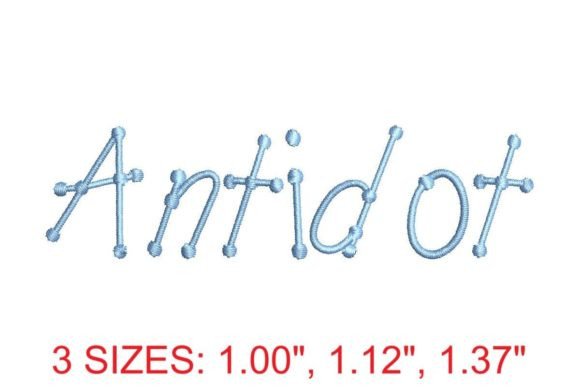
Antidot Regular Font: Crafting Timeless Embroidery
When you are working with textiles, the typeface you choose isn't just about reading words; it’s about texture. The Antidot Regular Font enters the design space as a specialized tool that bridges the gap between digital precision and physical craftsmanship. While it functions beautifully in print, its true potential shines when rendered in thread. This typeface is designed with the understanding that letters must be sewn, meaning every curve and line has been optimized for needlework. It avoids the frustration of overly intricate designs that cause thread breaks or digitizing nightmares. Instead, it offers a clean, structured aesthetic that translates perfectly into tangible, embroidered goods.
A Study in Versatility and Clean Lines
Visually, Antidot Regular sits in a sweet spot between playful and professional. It isn't a stiff, corporate sans serif font, nor is it a chaotic handwritten font. It possesses a structured rhythm and a balanced weight that feels approachable yet sophisticated. The letterforms are distinct and legible, ensuring that names and monograms remain readable even when stitched onto textured fabrics like terry cloth or denim. This is a premium font that understands the limitations of thread; it avoids microscopic gaps and overly sharp corners that can get lost in the weave of a garment.
For brand identity projects that require a tactile element, Antidot Regular offers a solution that many generic display fonts miss. It carries a personality that feels curated and intentional. Whether you are a small business owner creating branded merchandise or a crafter personalizing a gift, the visual weight of this typeface ensures the text anchors the design without overwhelming it. It is a creative font that manages to be distinctive without being distracting, making it a versatile addition to any designer's library of design assets.
Practical Applications: Beyond the Hoop
While the introduction highlights its compatibility with Brother and Babylock machines via the PES format, the utility of Antidot Regular extends far beyond simple monogramming. Consider the world of packaging design and physical branding. If you are a maker selling artisanal goods, the font used on your label needs to match the vibe of your product. Using Antidot Regular on your digital web design elements or social media graphics creates a seamless visual bridge to the embroidered tags on your actual products. This consistency is crucial for building a recognizable brand.
Here is where the font excels across different mediums:
- Editorial Design: Use it for pull quotes or headers in a lifestyle magazine layout to evoke a handcrafted, artisanal feel.
- Logo Design: It works exceptionally well for boutique brands, bakeries, or clothing lines that want to project a friendly yet upscale image.
- Textiles: As noted in the specifications, the file includes 156 letters, allowing for comprehensive alphabet coverage. This makes it ideal for complex stitching projects where you need every character available.
- Digital Products: Create mockups for apparel designs using this font to show clients exactly how their logo will look stitched out.
Technical Considerations and Design Strategy
Choosing a commercial font for embroidery requires a different mindset than choosing one for a website. With Antidot Regular, you are investing in a file that has been digitized for machine use. The provided PDF with full dimension details is an essential resource. Before you hoop your stabilizer and fabric, review those dimensions. Stitch density and pull compensation vary depending on the fabric, but the vector path of the font provides a reliable starting point.
When evaluating font pairing, Antidot Regular plays well with others. Because it is a serif font or a structured display style (depending on the specific weight and context you view it in), it pairs beautifully with clean sans-serifs for body text in digital layouts. In an embroidery context, you might pair a large "Antidot" monogram with a smaller, simpler running stitch font for subtitles. This creates a strong visual hierarchy, ensuring the primary message pops while supporting details remain legible.
Ultimately, Antidot Regular Font is more than just a set of vector paths; it is a tool for personalization. In an era where consumers crave unique, personalized items, having a reliable, good-looking font that works effortlessly with embroidery software is a significant advantage. It simplifies the production process, allowing you to focus on the creative application rather than fighting with digitizing errors. For the designer or entrepreneur looking to elevate their textile work, this typeface offers the perfect blend of aesthetic appeal and technical reliability.